El modelo off-shore tiene sus riesgos
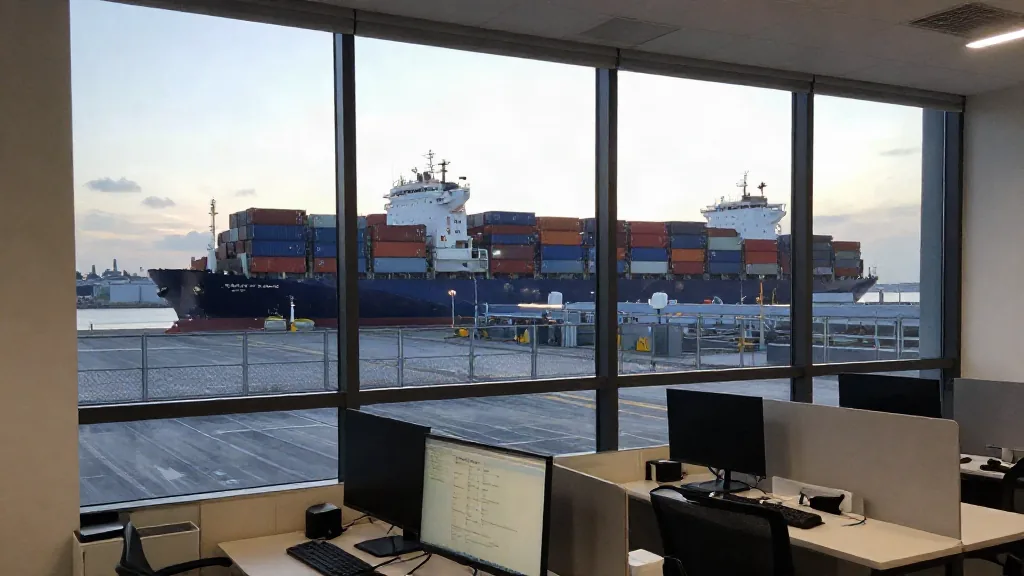
Cada vez son mas las empresas de IT que deciden trasladar parte de sus desarrollos a India aprovechando la diferencia de salarios. Natwest es una de estas empresas que ha optado por la deslocalizacion. Pues bien, aqui en UK llevan una semana sufriendo en sus carnes las consecuencias de un error de un informatico junior que provoco que durante unos cuantos dias Natwest no ha podido procesar ni un solo pago.
Extraido de http://money.aol.co.uk/2012/06/27/rbs-a … -employee/
…………………………………………………………………………………………………………………………………………………………………..
We all have bad days at work occasionally, but for one IT employee in India, this could well be the worst day of their career. A technology website has claimed that the computer error which sent RBS into a tailspin, created a week of hell for thousands of customers and will end up costing millions of pounds to rectify, was down to one individual based in India.
So what happened, and could it happen elsewhere?
It’s worth stating up-front that at the moment there is no confirmation of this story, and beyond insisting this is not an overseas issue, the bank has not commented on this.
The rumour
The rumours started as soon as the problems emerged. As part of cutbacks, 30,000 back office jobs in the RBS group were made redundant – including a number of IT roles – and some of the work was outsourced to India. It saved the company a small fortune, as pay in India is up to a fifth lower than the UK. Earlier this year, the bank was advertising ‘urgent’ positions in Hyderabad paying £41,000 less a year than the equivalent in the UK.
Denial
There were those who started asking questions immediately as to whether the glitch that caused the chaos originated in India. Stephen Hester, chief executive of RBS, was quick to deny this on Sky News, stating that there was ‘no evidence’ that this was the case. He said: "The IT centre in Edinburgh is our main centre, it is nothing to do with overseas. Things go wrong. Things go wrong in technology."
The source
However, a source who had worked for RBS told The Register website that the problem had been caused by "an inexperienced operative" in India.
The website is claiming that the source of the problem was when a software upgrade (developed in the UK) froze part of the banks’ systems on Tuesday. This isn’t terribly unusual, and as Hester says ‘things go wrong in technology’. The usual procedure is to back out of the upgrade, run the system on the old software, fix the problem with the new software, and give it another go. When this happens you might get a temporary issue, but not one that affects terribly many customers because they tend to do it on a quiet night.
The website’s source says what happened in this instance was that in the process of backing out of the upgrade an ‘inexperienced operative’ made a huge error, and accidentally erased all the jobs waiting in the queue. In this instance these ‘jobs’ were the transactions set to go through and show up in people’s accounts overnight. The information then had to be re-entered into the computer system manually and re-run, creating a massive backlog – because all transactions have to be done in order, so they all had to wait for the data to be re-entered.
David Fleming, national officer of the banking union Unite, said: "Serious questions must be asked as to why constant job cuts are being made when there are clearly serious issues which need addressing by management."
Sign of things to come?
The question is whether this could happen elsewhere. In essence this isn’t impossible, because all the banks use similar software to process transactions. It will therefore be a question of policies and procedures of who is in charge up running upgrades and backing out of them, and how they are overseen.
In the worst case scenario this is a foretaste of what is to come, as all the banks attempt to keep pace with technological developments at as low a cost as possible. In the best case, this is the wake-up call they need to ensure their systems are up to the task in future.
El modelo off-shore a parte de sus riesgos tiene un problema creciente: los costos. No solo en mano de obra sino en espacio de oficinas y en costes de equipamiento. Los sueldos en los destinos tipicos de offshoring estas escalando y los espacios de oficina se pueden equiparar en precios con España (por ejemplo).
Por no hablar de la rotacion de personal y otro detalle que parece que la gente no acaba de entender del asunto: Si pagas cacahuetes contratas monos. Esa es la gran verdad. Tengo un conocido que vive en India (e indio de nacimiento) y según me cuenta la unica forma de conseguir profesionales (no de curso de 3 semanas en academia, sino gente que sabe lo que hace) es a base de talonario. El cambio de empresa suele venir acompañado de un aumento de sueldo de entre el 20% y el 40%. A esto hay que sumarle la caida de sueldos en el mundo occidental lo que deja un margen muy estrecho de dinero (la experiencia de amigos mios trabajando con modelo offshore hablan de un 20% máximo, sacrificando calidad) como para tomar riesgos.
Lo que veo por ejemplo en Reino Unido (por las noticias de paginas especializadas) es que si, el offshore funciona en determinados puestos pero en general suele ser un problema en el medio plazo… y cada vez mas.
Aqui si que me gustaría si alguien tiene más experiencia con el tema que diera su opinión.
Efectivamente, el Indio bueno, cobra muy bien alli, y la mayoria se van a occidente ya que consiguen ofertas que les facilitan los papeles, lo normal es que los malos esten alli, y ademas de que estan muy acostumbrados a su forma de hacer las cosas, es decir la chapuza! Ojo que en Espana tampoco se hacen maravillas! Es un punto medio, tirando para abajo diria yo!
Los puestos muy muy sencillos, se pueden hacer desde alli, pero efectiamente como tu dices, los precios estan subiendo mucho, India esta con su particular burbuja inmobiliaria, lo mismo que Brasil y China, y eso sube los costas, los sueldos suben cada vez mas… Yo he escuchado de algun banco gordo que esta pensando en llevarse los quipos off-shore de nuevo a Europa, y no es mala idea, precio de la vivienda bajando, mano de obra bajando, seguramente beneficios fiscales del gobierno por traer el negocio etc etc…