Absorción de suplementos y medicamentos
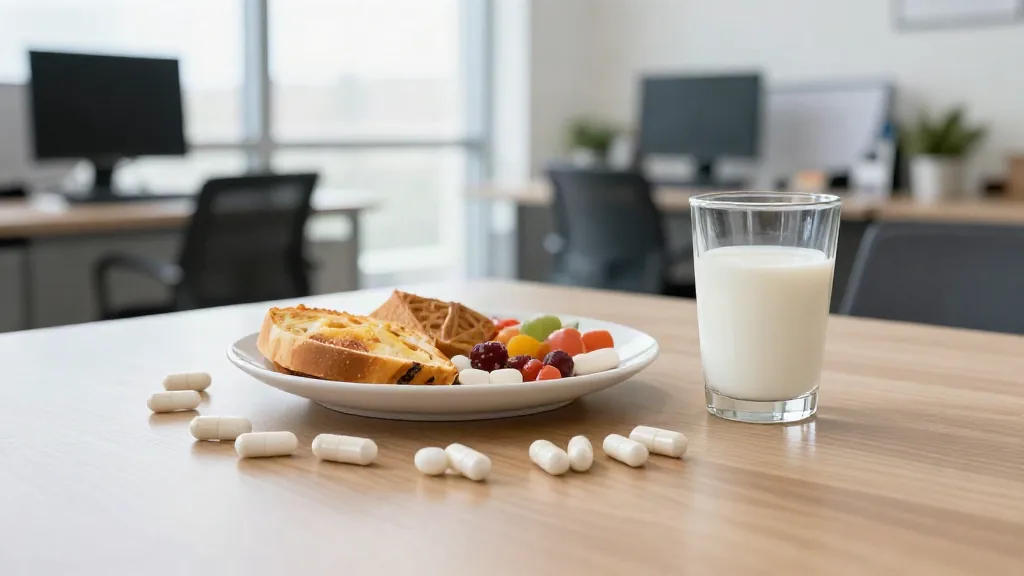
La absorcion de suplementos y medicamentos se puede ver seriamente afectada por algunos alimentos muy comunes.
Incrementan o Descrementan la absorcion:
– Pimienta negra
– Pomelo
– Naranja
– Manzana
Sobre el Pomelo:
"Recently, we discovered that grapefruit and these other fruit juices substantially decrease the oral absorption of certain drugs undergoing intestinal uptake transport," says study leader David G. Bailey, Ph.D., a professor of clinical pharmacology with the University of Western Ontario in London, Ontario. "The concern is loss of benefit of medications essential for the treatment of serious medical conditions."
Bailey and colleagues announced almost 20 years ago the unexpected finding that grapefruit juice can dramatically boost the body’s levels of the high-blood-pressure drug felodipine, causing potentially dangerous effects from excessive drug concentrations in the blood. Since then, other researchers have identified nearly 50 medications that carry the risk of grapefruit-induced drug-overdose interactions. As a result of the so-called "Grapefruit Juice Effect," some prescription drugs now carry warning labels against taking grapefruit juice or fresh grapefruit during drug consumption.
In the most recent research, Bailey’s group had healthy volunteers take fexofenadine, an antihistamine used to fight allergies. The volunteers consumed the drug with either a single glass of grapefruit juice, water containing only naringin (substance in grapefruit juice that gives the juice its bitter taste), or water. When fexofenadine was taken with grapefruit juice, only half of the drug was absorbed compared to taking the drug with water alone, Bailey says. Loosing half of the amount of drugs taken into the body can be critical for the performance certain drugs, he points out.
They also showed that the active ingredient of grapefruit juice, naringin, appears to block a key drug uptake transporter, called OATP1A2, involved in shuttling drugs from the small intestine to the bloodstream. Blocking this transporter reduces drug absorption and neutralizes their potential benefits, the researchers say. By contrast, drugs whose levels are boosted in the presence of grapefruit juice appear to block an important drug metabolizing enzyme, called CYP3A4, that normally breaks down drugs.
"This is just the tip of the iceberg," Bailey says. "I’m sure we’ll find more and more drugs that are affected this way."
To date, grapefruit, orange and apple juices have been shown to lower the absorption of etoposide, an anticancer agent; certain beta blockers (atenolol, celiprolol, talinolol) used to treat high blood pressure and prevent heart attacks; cyclosporine, a drug taken to prevent rejection of transplanted organs; and certain antibiotics (ciprofloxacin, levofloxacin, itraconazole). But additional drugs are likely to be added to the list as physicians become more aware of this drug-lowering interaction, Bailey says.
Orange and apple juices also appear to contain naringin-like substances that inhibit OATP1A2, Bailey says. The chemical in oranges appears to be hesperidin, but the chemical in apples has not yet been identified, the researchers notes.
Sobre la pimienta:
Piperine is able to increase bioavilability of many substances through a number of mechanisms. It inhibits several enzymes responsible for metabolizing nutritional substances, stimulates amino-acid transporters in the intestinal lining, inhibits removal of substances from cells so they continue to be available for use, and decreases the intestinal activity allowing more of the substances to enter the body in active form. The results of these actions are that substances reach, enter and remain within their target cells for longer periods of time than would normally be the case.
Piperine can turn a marginally effective therapeutic substance into a highly effective one by increasing its bioavailability and intracellular residency time. As an example, piperine can increase the bioavailability of the cancer, inflammation and infection fighter, curcumin, by twenty-fold.
Piperine favorably simulates the digestive enzymes of the pancreas, enhances digestive capacity and significantly reduces gastrointestinal food transit time. Black pepper or piperine treatment has also been evidenced to lower lipid peroxidation in vivo and beneficially influence the cellular status of organic sulfur compounds, antioxidant molecules, and antioxidant enzymes in a number of experimental situations of oxidative stress.
In addition to its effects on bioavilability, piperine has many other actions in the body that include increasing beta-endorphins in the brain, acting as an anti-depressant, increasing serotonin production, boosting brain functioning, stimulating adrenal production, relieving pain and asthma symptoms, stimulating melanin production, decreasing ulcerations of the stomach, reducing stomach acid production, and coordinating digestive tract contractions. It is highly effective against colon cancer.