Nakheel, el mundo!
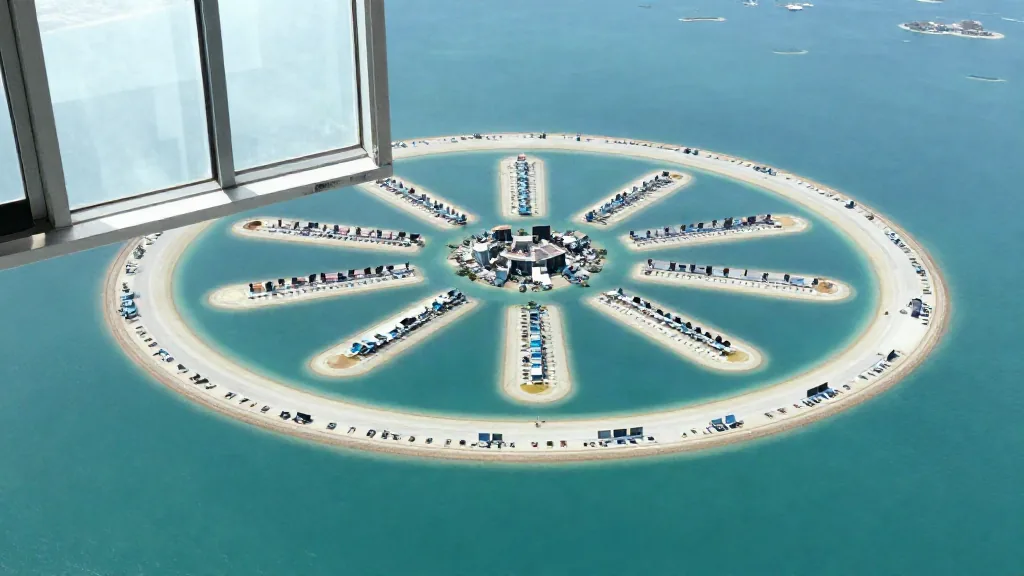
In April, Austrian developer Kleindienst Group, one of The World’s largest owners, claimed during the first hearing of a US$199m legal battle that the master developer behind the project did not receive regulatory approval to construct the manmade islands and has been unable to complete the project because it is insolvent.
Kleindienst Group was sued by ‘The World’, a subsidiary of Dubai government-owned Nakheel, for breach of contract in an action lodged on June 12, a legal battle that has stopped work on the Kleindienst’s US$840m resort.
In the first hearing of the case at the Dubai World Tribunal, Kleindienst’s legal representative from Davidson & Co, Mohammed Zaman QC, claimed Kleindienst deemed the contract terminated and argued that the ‘The World’ master developer was insolvent as it was unable to meet its debt obligations and was seeking to consolidate payments with owners who had defaulted.
Graham Lovett, regional managing partner at Dubai legal firm Clifford Chance, and legal representative for ‘The World’, refuted the allegations and claimed the company was not insolvent and was still active.
In terms of ‘The World’s’ infrastructure hubs, which the defence claimed the master developer had failed to deliver, Lovett said the ‘The World’ was only contractually obliged to construct the manmade islands and the infrastructure works were not part of the developer’s responsibility.
The defence further claimed the Nakheel subsidiary had not obtained formal written permission from the Real Estate Regulatory Authority (RERA) to start construction of the islands and the sales had not been registered with the Dubai Land Department, dismissing the legitimacy of the sales and purchase agreements.
Lovett dismissed the allegation and said any claim ‘The World’ developer did not have approval to develop the offshore man-made islands was ‘absurd’.
Kleindienst’s legal team also claimed the development was stalled or “in a coma” and the lack of development on the 300 islands meant RERA had refused it permission to continue selling off-plan properties in February 2009 because construction was behind schedule.
In a bid to determine the level of activity on the project, tribunal judge Sir Anthony Evans ordered ‘The World’ to produce a series of documents within 56 days. It was instructed to declare how many of the 300 islands had been sold, how many of the sales and purchase contracts were still active, how many buyers were in dispute with the developer over payment and how many owners had defaulted.
It was further ordered to declare how staffing levels had changed over the last number of years and what infrastructure contracts had been awarded to subcontractors.
Construction on the project ground to a near standstill in the wake of the financial crash, which saw real estate prices in Dubai fall more than 60 percent from their peak.
While Qurashi is looking to push ahead with work on Great Britain, almost all buyers on the project have failed to begin work, with exception of the Lebanon island which opened earlier this year.
A spat between Nakheel and Penguin Marine, the company contracted to ferry goods to the islands, has also affected island owners seeking to fast-track construction on their sites.
Nakheel has said 70 percent of the 300 manmade islands are sold and that building work is the responsibility of the owners.