Las bacterias del intestino y los antibióticos
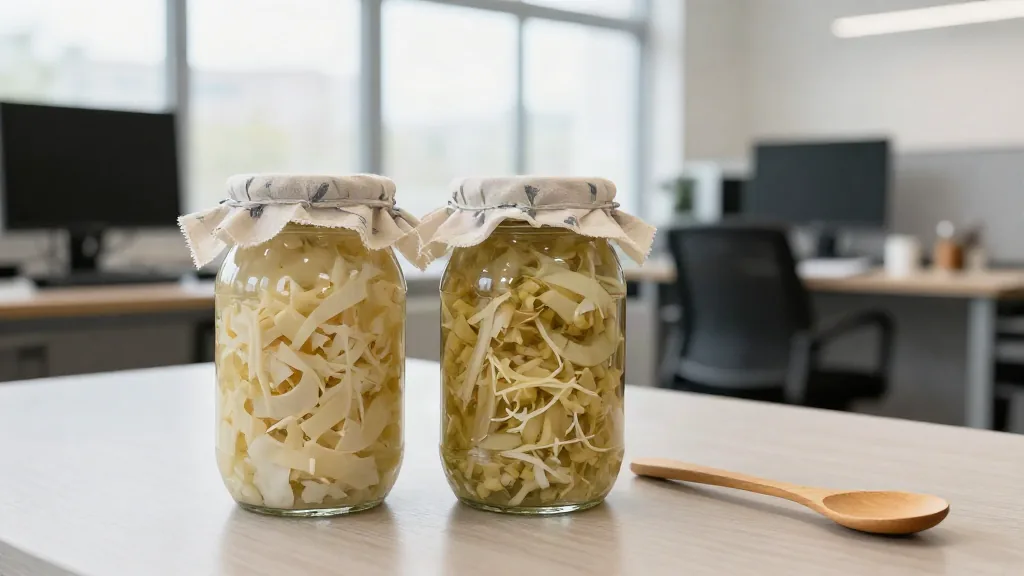
Hay muchos estudios que hablan sobre la importancia de las bacterias beneficiosas en el intestino, asi como de los problemas que pueden causar las no beneficiosas como pueden ser candida, helicobacter pylori, giardia…
Parte de dichas bacterias parecen venir del parto, por lo que la gente nacida mediante cesarea carece de muchas de ellas, por otro lado las bacterias estan intimanente relacionadas con nuestra genetica y cada persona tiene diferente proporcion de ellas y diferentes tipos.
Cuando tomamos antibioticos para matar bacterias de las malas, estamos lanzando una bomba nuclear que arrasa con todas, las buenas y las malas, por eso debemos minimizar el uso de antibioticos.
Fuente: http://www.newscientist.com/article/dn2 … sease.html
Concentrated milk fats, a common ingredient of processed foods and confectionery, trigger blooms of otherwise rare gut bacteria in mice that may contribute to inflammatory gut diseases.
The discovery coincides with release this week of the "microbiome" – the most comprehensive census yet of the species of bacteria that live in and on the human body. By providing an inventory of bugs that live in 18 sites on the body in healthy people, the Human Microbiome Project should enable researchers to explore how disease might result from perturbations to the microbes, similar to those observed in the mice fed milk fat.
"The wadsworthia bacteria survived only in the mice eating the milk fat," says another member of the team, Suzanne Devkota, also at Chicago. "When we stopped feeding them milk fats, the bacteria disappeared," she said.
Chang says the finding tallies with other studies which found that B. wadsworthia thrives when people have blood poisoning, a burst appendix or abscesses. He thinks that the bacteria might trigger inflammatory bowel disease, but that other factors take over and sustain it once the disease has been initiated.
"Knowing which microbes live in various ecological niches in healthy people allows us to better investigate what goes awry in diseases thought to have a microbial link, like Crohn’s disease and obesity," says George Weinstock, associate director of the Genome Institute at Washington University in St Louis and one of the Human Microbiome Project’s principal investigators.
They found that microbial cells outnumber native human cells by 10 to one, and collectively have 8 million genes compared to just 22,000 in humans. Of the 10,000 species identified, the most diverse range lived on the skin. Bacteria that colonise the teeth are different from those in saliva, and the vagina hosts the simplest range of bugs.
Los transplantes fecales son cada vez mas comunes y efectivos en enfermedades digestivas (Colitis ulcerativa y Crohn’s)e infecciones de bacterias como C Difficile: http://articles.mercola.com/sites/artic … plant.aspx
Solucion para IBD (Crohn’s y ulcerative colitis sobre todo)?
Researchers from the Hospital Clinic i Provincial de Barcelona in Spain called for more of this kind of research back in 2009 when they published a study in the Swiss journal Digestive Diseases that discussed how probiotics might help alleviate the symptoms of, and perhaps even cure, inflammatory bowel disease in human patients.
But researchers who are more privy to the bacterial physiology behind inflammatory bowel disease and the food allergies that often trigger it have long been curious as to how probiotics might help address the underlying cause and potentially even cure it.
According to this particular study, abnormalities in the way the innate immune system recognizes and responds to certain bacterial and microbiotic antigens is often directly responsible for causing the pathogenesis of inflammatory bowel disease. But adjusting the composition of intestinal microbiota with high-dose probiotics has the potential to help correct this serious category of disease by effectively healing the gut.
"Numerous micro-organisms have been evaluated to induce or maintain remission, or both, in ulcerative colitis, Crohn’s disease and Pouchitis," wrote the authors. "Overall, probiotics have successfully demonstrated some efficacy in some inflammatory bowel disease scenarios."
More recently, a study out of the Children’s Hospital of Pittsburgh found that babies whose mothers supplemented with probiotics during pregnancy have a far lower risk than other babies of ever developing food allergies in the first place. This study, like the others, serves as yet more evidence that healthy gut microbiota are crucial in both preventing and mitigating food allergies and inflammatory bowel diseases.
Ahora mismo esto tomando una cantidad seria de antibioticos (fui a dos doctores y ningun de los dos me receto probioticos para tomar durante o despues del tratamiento, cuando lo mencione, entonces si me lo recetaron… puff), fui a la farmacia a comprar probioticos y les pregunte si debia de tomarlos durante el tratamiento de antibioticos (Ya que algo habia leido y me sonaba), despues de los antibioticos tenia claro que si! Y me dijeron "Noooo! Nooo! Los probioticos despues ya que durante los mataran los antibioticos!", me puse a mirar por mi cuenta:
Hempel’s meta-analysis, published in 2012, is the most recent review. It looked at 82 studies and combined the results of 63 RCTs, giving a sample set of almost 12,000 patients taking antibiotics, comparing probiotics to placebo or no therapy. Probiotic species included Lactobacillus, Bifidobacterium, and the yeast Saccharomyces. The overall findings were impressive. Those taking probiotics had a 42 percent lower risk antibiotic-associated diarrhea. Based on this analysis, 13 people who would otherwise experience AAD need to take probiotics to prevent one. So it’s not a panacea, but as interventions go, this is a good number needed to treat (NNT). Subgroup analysis, including an analysis of the highest-quality trials, didn’t change the effect size significantly – the effect was also consistent in both adults in kids, though it was non-significant in seniors. Of the studies that collected adverse event information (23) none were noted, which is reassuring but makes me skeptical that this information was collected accurately. It should be noted that most trials were sponsored by manufacturers, introducing an additional potential bias in the individual studies that would be reflected in these results.
Hempel’s review is not the first meta-analysis of probiotics for AAD. Its conclusions are broadly in line with Sazawal, D’Souza, Van Niel, Szajewska and McFarland. There is also the 2011 Cochrane review by Johnston that looked specifically at probiotics to prevent AAD in children, selecting 16 trials of over 3400 patients. Despite the numerous data quality issues, it concluded that there is likely a beneficial effect from probiotics, but the overall quality of the evidence for the primary endpoint (incidence of diarrhea) was low. It calculated an NNT of 7, even more impressive than Hempel’s review. Again, no serious side effects were associated with probiotics. The review called for more studies to better establish the appropriate probiotic species, dose, duration and side effect profile.
The other recent meta-analysis is from Videlock in 2012, pulling together 34 studies with over 4000 patients. Species included Lactobacillus, Enterococcus, Streptococcus, and the yeast Saccharomyces. It estimated the overall relative risk of diarrhea when taking probiotics to be 0.53 (95% CI 0.44-0.63), suggesting an NNT of 8 (95% CI 7-11). Both of these estimates are difficult to interpret given the diversity of trials and endpoints in the included studies. Problems in the analysis included the suggestion that the results are positively biased because of negative trial bias. Side effects were not notable. Overall, positive findings but the limitations in the data suggest that we need to accept these estimates of efficacy with some caution.
When probiotics are given specifically to prevent C. diff infections (versus just diarrhea) the Hempel analysis suggests that there is expected to be a net benefit. A 2013 Cochrane review by Goldenberg suggets that probiotics can reduce the risk of infection by 64%. There are also reviews by Ritchie and Bradley that suggest a net benefit. Again, the merits really depend on the likelihood of a C. diff infection, which is relatively unlikely in the otherwise healthy, unhospitalized person.
Mi conclusion es que los antibioticos matan a los probioticos (bacterias buenas y malas), pero que durante este periodo de aniquilacion intestinal, dejas muchos "huecos" libres para otras bacterias malas, y ademas el no tener bacterias buenas te produce diarrea en muchos casos, por lo que es recomendable consumir probioticos para cubrir esos "huecos" y prevenir la diarrea, aunque los mates cada poco tiempo, lo mas importante es consumir probioticos despues.
De todas formas los probioticos no son la panacea, ya que cada uno tiene sus propias especies que van unidas a su genema y eso no te lo da una pastilla, por lo que lo mejor es evitar los antibioticos siempre que sea posible, aunque muchas veces no es posible.
Un intestino normal saludable contiene 400 tipos de bacterias beneficiosas, el tipo mas comun es Lactobacillus acidophilusLactobacillus acidophilus que se suele encontrar en el yogourt.
Alimentar a las bacterias saludables con prebioticos como "alcachofa de jerusalem", cebolla o platano, puede ser mejor idea, dado que las bacterias son propias de cada uno y dependen de nuestra genetica por lo que consumir muchos probioticos no nos dar las especies que necesitamos, simplemente no se quedaran ahi mucho tiempo.
Articulos relacionados con lo probioticos y la perdida de peso:
- Candela, M. et al. Interaction of probiotic Lactobacillus and Bifidobacterium strains with human intestinal epithelial cells: adhesion properties, competition against enteropathogens and modulation of IL-8 production. Int. J. Food Microbiol. 125, 286–292 (2008).
Fukuda, S. et al. Bifidobacteria can protect from enteropathogenic infection through production of acetate. Nature 469, 543–547 (2011).
Devillard, E., McIntosh, F. M., Duncan, S. H. & Wallace, R. J. Metabolism of linoleic acid by human gut bacteria: different routes for biosynthesis of conjugated linoleic acid. J. Bacteriol. 189, 2566–2570 (2007)
Bäckhed, F.et al.The gut microbiota as an environmental factor that regulates fat storage. Proc. Natl Acad. Sci. USA 101, 15718–15723 (2004)
Olszak, T. et al. Microbial exposure during early life has persistent effects on natural killer T cell function. Science 336, 489–493 (2012)
Forsythe P, Kunze WA, Bienenstock J. On communication between gut microbes and the brain. Curr Opin Gastroenterol. 2012;28:557-562.
Carvalho BM, Saad MJ. Influence of gut microbiota on subclinical inflammation and insulin resistance. Mediators Inflamm. 2013:986734.
Parnell JA, Reimer RA Weight loss during oligofructose supplementation is associated with decreased ghrelin and increased peptide YY in overweight and obese adults. Am J Clin Nutr 2009;89:1751–9.
Patrice D. Cani,* Melania Osto, Lucie Geurts, and Amandine Everard Involvement of gut microbiota in the development of low-grade inflammation and type 2 diabetes associated with obesity. Gut Microbes. 2012 July 1; 3(4): 279–288.
Murphy EF, Cotter PD, Hogan A, et al. Divergent metabolic outcomes arising from targeted manipulation of the gut microbiota in diet-induced obesity. Gut. 2013;62:220-226.
Qin, J. et al. A human gut microbial gene catalogue established by metagenomic sequencing. Nature 464, 59–65 (2010).
The Human Microbiome Project Consortium. Structure, function and diversity of the healthy human microbiome. Nature 486, 207–214 (2012).
Jalanka-Tuovinen J, Salonen A, Nikkilä J, et al. Intestinal microbiota in healthy adults: temporal analysis reveals individual and common core and relation to intestinal symptoms. PLoS One. 2011;6:e23035.
Lozupone CA, Stombaugh JI, Gordon JI, Jansson JK, Knight R. Diversity, stability and resilience of the human gut microbiota. Nature. 2012 Sep 13;489(7415):220-30.
Yatsunenko, T. et al. Human gut microbiome viewed across age and geography. Nature 486, 222–227 (2012)
De Filippo, C. et al. Impact of diet in shaping gut microbiota revealed by a comparative study in children from Europe and rural Africa. Proc. Natl Acad. Sci. USA 107, 14691–14696 (2010).
Qin, J. et al. A human gut microbial gene catalogue established by metagenomic sequencing. Nature 464, 59–65 (2010)
Manichanh, C.et al.Reduced diversity of faecal microbiota in Crohn’s disease revealed by a metagenomic approach. Gut 55, 205–211 (2006)
Lepage, P.et al.Twin study indicates loss of interaction between microbiota and mucosa of patients with ulcerative colitis. Gastroenterology 141, 227–236 (2011)
Logan AC, Rao, AV, Irani D. Chronic fatigue syndrome: lactic acid bacteria may be of therapeutic value. Medical hypotheses (2003) 60(6); 915-923
Claesson, M. J. et al. Gut microbiota composition correlates with diet and health in the elderly. Nature 488, 178–184 (2012)
Le Chatelier E, et al. Richness of human gut microbiome correlates with metabolic markers.Nature. 2013 Aug 29;500(7464):541-6.
Lee YK, Menezes JS, Umesaki Y, Mazmanian SK. Proinflammatory T-cell responses to gut microbiota promote experimental autoimmune encephalomyelitis. Proc Natl Acad Sci U S A. 2011;108 Suppl 1:4615-4622.
Wang Y, Kasper LH.The role of microbiome in central nervous system disorders. Brain Behav Immun. 2013 Dec 25.
Vaarala O, Atkinson MA, Neu J. The "perfect storm" for type 1 diabetes: the complex interplay between intestinal microbiota, gut permeability, and mucosal immunity. Diabetes. 2008;57:2555-2562.
Hara N, Alkanani AK, Ir D, et al. The role of the intestinal microbiota in type 1 diabetes. Clin Immunol. 2013;146:112-119.
Dicksved, J. et al. Molecular analysis of the gut microbiota of identical twins with Crohn’s disease. ISME J. 2, 716–727 (2008).
Lupton, J. R. Microbial degradation products influence colon cancer risk: the butyrate controversy. J. Nutr. 134, 479–482 (2004).
Xiao S, Zhao L.Gut microbiota-based translational biomarkers to prevent metabolic syndrome via nutritional modulation. FEMS Microbiol Ecol. 2013 Nov 12.
Tang WH, Wang Z, Levison BS, et al. Intestinal microbial metabolism of phosphatidylcholine and cardiovascular risk. N Engl J Med. 2013;368:1575-1584.
Scher JU, Sczesnak A, Longman RS, et al. Expansion of intestinal Prevotella copri correlates with enhanced susceptibility to arthritis. eLife. 2013;2:e01202.
Opal SM. Endotoxins and other sepsis triggers Contrib Nephrol. 2010;167:14-24.
Cani, PD; Amar J, Iglesias MA, Poggi M, Knauf C, Bastelica D et al. (2007). "Metabolic endotoxemia initiates obesity and insulin resistance.". Diabetes 56: 1761–1772.
Kallus SJ, Brandt LJ. The intestinal microbiota and obesity. J Clin Gastroenterol. 2012;46:16-24.
Ramachanrappa S and Farooqi I.S. Genetics approaches to understanding human obesity. Journal of Clinical investigation. 2011 121:2080-2086
Tremblay A, Despres JP, Therault G, Fournier G, bouchard C. Overfeeding and energy expenditure in humans. Am J Clin Nutr 1993:56:857-62
Bouchard C, Tremblay A, Després JP, Nadeau A, Lupien PJ, Thériault G, Dussault J, Moorjani S, Pinault S, Fournier G.The response to long-term overfeeding in identical twins. N Engl J Med. 1990 May 24;322(21):1477-82.
Pontzer H, Raichlen DA, Wood BM, Mabulla AZ, Racette SB, Marlowe FW.Hunter-gatherer energetics and human obesity. PLoS One. 2012;7(7):e40503.
Prentice AM, Black AE, Coward WA, Cole TJ. Energy expenditure in overweight and obese adults in affluent societies: an analysis of 319 doubly-labelled water measurements.Eur J Clin Nutr. 1996 Feb;50(2):93-7.
Swinburn BA, Sacks G, Lo SK, Westerterp KR, Rush EC, Rosenbaum M, Luke A, Schoeller DA, DeLany JP, Butte NF, Ravussin E.Estimating the changes in energy flux that characterize the rise in obesity prevalence.Am J Clin Nutr. 2009 Jun;89(6):1723-8.
Bäckhed, F.et al.The gut microbiota as an environmental factor that regulates fat storage. Proc. Natl Acad. Sci. USA 101, 15718–15723 (2004)
Devillard, E., McIntosh, F. M., Duncan, S. H. & Wallace, R. J. Metabolism of linoleic acid by human gut bacteria: different routes for biosynthesis of conjugated linoleic acid. J. Bacteriol. 189, 2566–2570 (2007)
Rossi M, Amaretti A, Raimondi S.Folate production by probiotic bacteria.Nutrients. 2011 Jan;3(1):118-34.
Turnbaugh, P. J. et al. An obesity-associated gut microbiome with increased capacity for energy harvest. Nature 444, 1027–1031 (2006).
Le Chatelier E, et al. Richness of human gut microbiome correlates with metabolic markers.Nature. 2013 Aug 29;500(7464):541-6. Turnbaugh, P. J. et al. An obesity-associated gut microbiome with increased capacity for energy harvest. Nature 444, 1027–1031 (2006)
Goodman A.L., Kallstrom G, Faith J.J., Reyes A., et al. Extensive personal human gut microbiota culture collections characterized and manipulated in gnotobiotic mie. Proceddings of the national Academy of Sciences of the United States of America. 2010 108;346-357
Dethlefsen, L., S. Huse, M. L. Sogin, and D. A. Relman. 2008. The pervasive effects of an antibiotic on the human gut microbiota, as revealed by deep 16S rRNA sequencing. PLoS Biol. 6:e280.
Jakobsson HE et al Short-term antitioitc treatemtn ha differeing long-term impacts on the human throat and gut microbiome. PLoS ONE 5s, e9836 (2010).
Jernberg C, Lofmark S, Edlund C, Jansson JK. Long-term ecological impacts of antibiotic administration on the human intestinal microbiota. ISME J. 1 56-66 (2007)
Ajslev, T. A., Andersen, C. S., Gamborg, M., Sorensen, T. I. & Jess, T. Childhood overweight after establishment of the gut microbiota: the role of delivery mode, pre-pregnancy weight and early administration of antibiotics. Int. J. Obes. 35, 522–529 (2011)
Duran GM, Marshall DL. Ready-to-eat shrimp as an international vehicle of antibiotic-resistant bacteria. J Food Prot. 2005 Nov;68(11):2395-401.
Campos J, Mourão J, Pestana N, Peixe L, Novais C, Antunes P. Microbiological quality of ready-to-eat salads: an underestimated vehicle of bacteria and clinically relevant antibiotic resistance genes.Int J Food Microbiol. 2013 Sep 16;166(3):464-70.
Brown JC, Jiang X. JPrevalence of antibiotic-resistant bacteria in herbal products. Food Prot. 2008 Jul;71(7):1486-90.
Halden RU, Paull DH.Co-occurrence of triclocarban and triclosan in U.S. water resources.Environ Sci Technol. 2005 Mar 15;39(6):1420-6.
Ternak G. Antibiotics may act as growth/obesity promoters in humans as an inadvertent result of antibiotic pollution? Med Hypotheses (2005)
Moore PR, Evenson A, Luckey TD, McCoy E, Elvejem CA, Hart EB. Use of sulfasuxidine, streptothricin, and streptomycin in nutritional studies with the chick. J Biol Chem (1946) 165(2):437–41.
Luecke RW, McMillen WN, Thorp F., Jr The effect of vitamin B12, animal protein factor and streptomycin on the growth of young pigs. Arch Biochem (1950) 26:326–7.
Cho I, Yamanishi S, Cox L, Methe BA, Zavadil J, Li K, Gao Z, Mahana D, Raju K, Teitler I, et al. Antibiotics in early life alter the murine colonic microbiome and adiposity. Nature. 2012;488:621–626.
Dethlefsen L, Relman DA. Incomplete recovery and individualized responses of the human distal gut microbiota to repeated antibiotic perturbation. Proc Natl Acad Sci U S A (2011) 108(Suppl 1):4554–61.
Trasande L, Blustein J, Liu M, Corwin E, Cox LM, Blaser MJ. Infant antibiotic exposures and early-life body mass.Int J Obes (Lond). 2013 Jan;37(1):16-23.
Thuny F, Richet H, Casalta JP, Angelakis E, Habib G, Raoult D. Vancomycin treatment of infective endocarditis is linked with recently acquired obesity. PLoS One (2010) 5(2):e9074.10.1371/journal.pone.0009074
Wu GD, Chen J, Hoffmann C, Bittinger K, Chen YY, Keilbaugh SA, Bewtra M, Knights D, Walters WA, Knight R, Sinha R, Gilroy E, Gupta K, Baldassano R, Nessel L, Li H, Bushman FD, Lewis JD. Linking long-term dietary patterns with gut microbial enterotypes.Science. 2011 Oct 7;334(6052):105-8.
Cotillard A, et al. Dietary intervention impact on gut microbial gene richness. Nature 500, 585–588 (29 August 2013)
Duncan, S. H. et al. Reduced dietary intake of carbohydrates by obese subjects results in decreased concentrations of butyrate and butyrate-producing bacteria in feces. Appl. Environ. Microbiol. 73, 1073–1078 (2007)
If you consume a lot of processed foods and sweetened drinks for instance, your gut bacteria are likely going to be severely compromised because processed foods in general will destroy healthy microflora, and sugars of all kinds feed bad bacteria and yeast. So avoiding processed foods and sugary foods is a critical first step to optimize your gut flora. Your gut bacteria are also very sensitive to:
– Antibiotics, both in the form of oral medicines and meats from animals raised in confined animal feeding operations (CAFOs). Livestock antibiotic use accounts for 80 percent of the total antibiotics sold in the US, so if you regularly eat CAFO meats, you’re exposed to a continuous supply of low-dose antibiotics
– Agricultural chemicals (particularly glyphosate, the active ingredient in Roundup, which is used in large amounts on genetically engineered “Roundup Ready” crops)
– Chlorinated and fluoridated water
– Antibacterial soap
– PollutionSince most of us are exposed to these detrimental factors at least occasionally, it’s generally a good idea to "reseed" the good bacteria in your gut by taking a high-quality probiotic supplement or eating fermented foods. This is important for everyone, but as mentioned earlier, it’s imperative if you are a woman who is pregnant, as your newborn depends on you for its initial gut flora.
Triclosan is an antibiotic, but it’s not a pill – It’s actually an ingredient that is commonly found in hand soap. It’s also found in shampoos, deodorants, toothpaste, mouthwash, self tanning lotions, lip gloss, and even baby high chairs (just to name a few items).
It’s everywhere and because it’s everywhere, recent research has found that it’s even found its way into our drinking water.
This is a great example of antibiotic use not for the sake of helping you fight off a bacterial infection, but because as a population we’re afraid of bacteria and because of this the term “Antibacterial” sells products. The use of the term Antibacterial has led to antibiotics like Triclosan being added to a surprising amount of everyday household items, and this means you are surrounded by antibiotics on a daily basis.
And not only are antibiotics all over the items in your house, they are also all over you… When Researchers swabbed inside the noses of 90 adults, 37 of the 90 tested positive for triclosan.
– Fuente: http://bradpilon.com/antibiotics-and-weight-gain/
The human gastrointestinal tract contains approximately 1014 bacterial cells that form a unique, diverse and very dynamic microbial ecosystem also known as gut microbiota. The genomes of all intestinal microbes form the “microbiome”, representing more than 100 times the human genome. The composition of gut microbiota is crucial for human health. Normal gut microbiota enhances digestive processes, produces certain vitamins and nutrients, facilitates absorptive processes, participates in development and maturation of the immune system and limits colonization of the gut by pathogenic microorganisms. It has been demonstrated that the following predominant microorganisms constitute for the normal gut microbiota: bacteroides, clostridium, Eubacterium, Veillonella, Ruminococcus, Bifidobacterium, Fusobacterium, Lactobacillus, Peptostreptococcus and Peptococcus. Diet is a major environmental factor influencing gut microbiota diversity and functionality.
Abnormalities in the composition of normal gut microbiota, also known as dysbiosis, frequently result in the development of chronic inflammatory, autoimmune and atopic processes not only within the gut but also in the distant body compartments such as skin, exocrine glands, the brain, muscles and joints.
Well established probiotic effects include:
Beneficial effects on dysbiosis including control of yeast (Candida albicans) overgrowthFacilitation of pathogenic bacteria elimination (for example, Clostridium difficile and Helicobacter pylori)Reduction of local and systemic inflammatory responsesPrevention of autoimmune and allergic reactionsPrevention and treatment of antibiotic-associated diarrheaNormalization of intestinal contractions and stool consistencyReduction of the concentration of cancer-promoting enzymes and metabolites in the gutPrevention of upper respiratory and urogenital infectionscholesterol-lowering activityExperimental data indicate that probiotics can benefit celiac disease.
Lindfors K. and colleagues showed that live probiotic, Bifidobacterium lactis, bacteria inhibit the toxic effects induced by wheat gliadin in intestinal epithelial cell culture.
Papista C. et al. demonstrated (in a mouse model) that probiotics can prevent intestinal damage of celiac disease.
The published data on the beneficial effects of probiotics in celiac patients is limited. Our clinical experience (Institute for Specialized Medicine – www.ifsmed.com) indicates that appropriately selected probiotics significantly reduce diarrhea and bloating in patients with gluten intolerance and celiac disease. Furthermore, we see positive reduction of gluten-associated joint and muscle pain, fatigue and brain fog as well as on gut colonization with yeast. Probiotics also normalize markers of inflammation (for example, C-reactive protein) and markers of mucosal immune responses (for example, fecal secretory immunoglobulin A – sIgA). Typically, the benefits of probiotics administration cannot be seen instantly. It takes at least 4-6 months to see measurable benefits.
The choice of probiotics is another difficult issue for an inexperienced consumer.
The following probiotic strains may benefit those with celiac disease and gluten intolerance:
a. Lactobacillus acidophilus is a species of Lactobacilli which occurs naturally in the human and animal gastrointestinal tract and in many dairy products. The L. acidophilus strain DDS-1 is one of the best characterized probiotic strains in the world. The medicinal properties of L. acidophilus DDS-1 include: production of lactic acid supporting good bacteria in the gut, production of B and K vitamins, prevention of colon cancer, prevention of ‘traveler’s diarrhea’, inhibition of gastric/duodenal ulcers caused by Helicobacter pylori, reduction of symptoms of eczema and atopic dermatitis, reduction of serum cholesterol level, fermentation of lactose and reduction of symptoms of lactose intolerance, and reduction of intestinal pain.
b. Lactobacillus plantarum is a Gram-positive bacterium naturally found in many fermented food products including sauerkraut, pickles, brined olives, Korean kimchi, sourdough, and other fermented plant material, and also some cheeses, fermented sausages, and stockfish. The medicinal properties of L. plantarum include: production of D- and L-isomers of lactic acid feeding beneficial gut bacteria, production of hydrogen peroxide killing pathogenic bacteria, production of enzymes (proteases) degrading soy protein and helping people with soy intolerance, synthesis of amino-acid L-lysine that promotes absorption of calcium and the building of muscle tissue, production of enzymes (proteases) digesting animal proteins such as gelatin and helping people with pancreatic insufficiency.
c. Lactobacillus casei is a species of Lactobacilli found in the human intestine and mouth. The medicinal properties of L. casei include: production of lactic acid assisting propagation of desirable bacteria in the gut, fermentation of lactose and helping people with lactose intolerance, fermentation of beans causing flatulence upon digestion.
d. Lactobacillus rhamnosus is a species of Lactobacilli found in yogurt and other dairy products. The medicinal properties of L. rhamnosus include: production of lactic acid supporting good bacteria in the gut, production of bacteriocins and hydrogen peroxide killing pathogenic bacteria, prevention of diarrhea of various nature, prevention of upper respiratory infections, reduction of symptoms of eczema and atopic dermatitis, affecting GABA neurotransmitting pathway and reducing symptoms of anxiety.
e. Lactobacillus salivarius is a species of Lactobacilli isolated from saliva. The medicinal properties of L. salivarius include: production of lactic acid supporting good bacteria in the gut, reduction of inflammatory processes causing colitis and inflammatory arthritis, prevention of colon cancer.
f. Bifidobacterium bifidus is a Gram-positive bacterium which is a ubiquitous inhabitant of the human gastrointestinal tract. B. bifidus are capable of fermenting various polysaccharides of animal and plant origin. The medicinal properties of B. bifidus include: production of hydrogen peroxide killing pathogenic bacteria, modulation of local immune responses, production of vitamins B, K and folic acid, prevention of colon cancer, bioconversion of a number of dietary compounds into bioactive molecules.
g. Bifidobacterium lactis is a Gram-positive bacterium which is found in the large intestines of humans. The medicinal properties of B. lactis include: production of hydrogen peroxide killing pathogenic bacteria, modulation of local immune responses, production of vitamins B, K and folic acid, prevention of colon cancer.
h. Lactococcus lactis is a Gram-positive bacterium used in the production of buttermilk and cheese. The medicinal properties of L. lactis include: production of lactic acid supporting good bacteria in the gut, prevention of colon cancer, fermentation of lactose and reduction of symptoms of lactose intolerance.
i. saccharomyces boulardii is a probiotic strain of yeast first isolated from lychee and mangosteen fruit. Upon consumption, S. boulardii remains within the gastrointestinal lumen, and maintains and restores the naturalflora in the large and small intestine. There are numerous randomized, Double-blind placebo-controlled studies showing the efficacy of S. boulardii in the treatment and prevention of various gastrointestinal disorders. Potential indications for use of Saccharomyces boulardii in humans include: 1) diarrhea/traveler’s diarrhea/antibiotic-associated diarrhea, 2) infection with Clostridium difficile/pseudomembranous colitis, 3) irritable bowel syndrome, 4) ulcerative colitis and Crohn’s disease, 5) partial IgA deficiency, 6)peptic-ulcer disease due to Helicobacter pylori. Published data also indicate that enzymes produced by S. boulardii can digest alpha-gliadin and related molecules.
j. Bacillus coagulans, also known as Lactobacillus sporogenes, is a gram-positive, spore-forming probiotic which is characterized by the increased survival in acidic gastric environment and in bile-acid-associated duodenal environment as compared to the commonly used probiotic microorganisms. Bacillus coagulans do not adhere to the human intestinal epithelium and is completely eliminated in four to five days unless chronic administration is maintained. Once in the intestines, Bacillus coagulans is activated and releases anti-inflammatory molecules or acts indirectly to eradicate organisms in the gut responsible for the inflammatory immune response. Activated Bacillus coagulans produces bacteriocins and lowers local pH by producing L(+) lactic acid that, along with competition for sites of mucosal adherence, works to dislodge and eliminate any antagonizing microbes that may be contributing to an inflammatory response. Bacillus coagulans also produces short-chain fatty acids such as butyric acid, a compound known to support the health and healing of cells in the small and large intestines and to contribute to modulation of the mucosal immune system.
To achieve therapeutic responses, the daily dose of the probiotics should be at least 25 billion CFUs (colony-forming units) and above. We recommend taking probiotics on an empty stomach either 20-30 minutes before breakfast or one-two hours after dinner with plenty of fluids. In those taking antibiotics, the time of the probiotic administration needs to be spaced out from that of antibiotics for at least several hours.
Gut Microbes Respond Within Days to Major Diet Changes
March 14, 2014
New research appearing in the journal Nature, coauthored by Duke University scientists, reveals gut bacterial populations change within hours in response to diet changes. One study group that ate meat, eggs, and cheese, for example, showed an increase in microbes that tolerate bile, which is used to break down fats. Bacteria that break down vegetable carbohydrates showed reduced activity in the same study group. This research suggests that body chemistry responds to dietary changes even quicker than scientists previously thought.