Trading.. Hombres o máquinas?
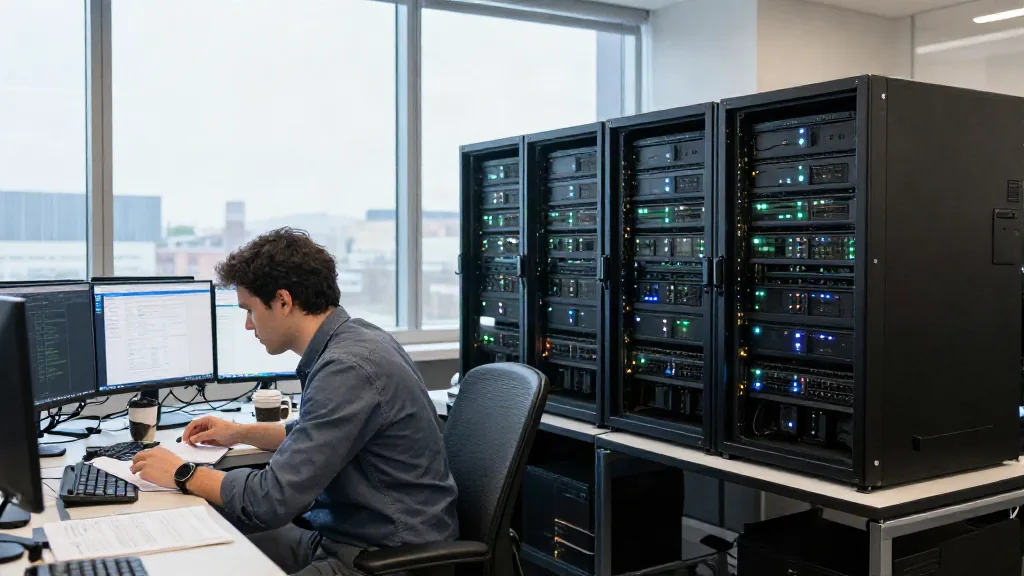
Estaba leyendo esta noticia de que UBS replaza traders por maquinas y me ha hecho reflexionar, asi mismo estaba comparando mi sueldo con el sueldo medio neto de un trader de Goldman Sachs y ehhh no me cambio por un trader de medio de Goldman Sachs, y ojo es un sueldo medio, que no mediano que sera mucho menos!
Y es que cada vez se paga mas a los tecnicos del mundillo del trading que hacen las maquinas de hacer trading que a los traders! Dentro de poco el dinero estara en matematicos, expertos en estadistica etc… y no tanto en Traders como hasta ahora!
Wall Street’s credit-derivatives traders, who before the financial crisis commanded $2 million of annual pay, are being replaced by machines as banks cut costs and heed new regulations.
UBS AG, Switzerland’s biggest bank, fired its head of credit-default swaps index trading, David Gallers, last week, with no plan to fill the position, according to two people familiar with the matter. Instead, the bank replaced Gallers with computer algorithms that trade using mathematical models, said the people, who asked not to be identified because moves are private.
UBS’s algorithm, which can trade as much as $250 million of the Markit CDX North America Investment Grade index and $50 million on the speculative-grade benchmark in one transaction, was introduced last month, the people said.
As late as 2005, managing directors on credit-derivative trading desks were being paid an average $250,000 in salaries and $1.75 million in bonuses, Michael Karp, co-founder of executive-search firm Options Group, said in a 2006 interview with Bloomberg News.
Building an algorithm may cost a few hundred thousand dollars, said Tchir, a former credit-derivatives trader.
Credit Suisse’s program, which started in early 2011, is “a natural fit with our other strong electronic-trading businesses in rates, FX, and commodities,” said Jack Grone, a spokesman in New York for Switzerland’s second-biggest bank.
Michael DuVally, a spokesman for Goldman Sachs in New York, didn’t immediately comment.
Barclays’s algorithm was designed to handle smaller trade sizes and began in April 2011 with the capacity to handle transactions as large as $25 million on the investment-grade index and $5 million on the high-yield benchmark, according to Drew Mogavero, head of U.S. credit-swaps trading. Those sizes have since doubled, he said.
For smaller trades in which there’s less at stake, “we want to automate that process as much as possible and free up the sales people and traders,” Fred Orlan, head of global credit trading
Visto en: http://www.businessinsider.com/traders- … z2BSR8oybt