La inmobiliaria en Dubai esta despegando
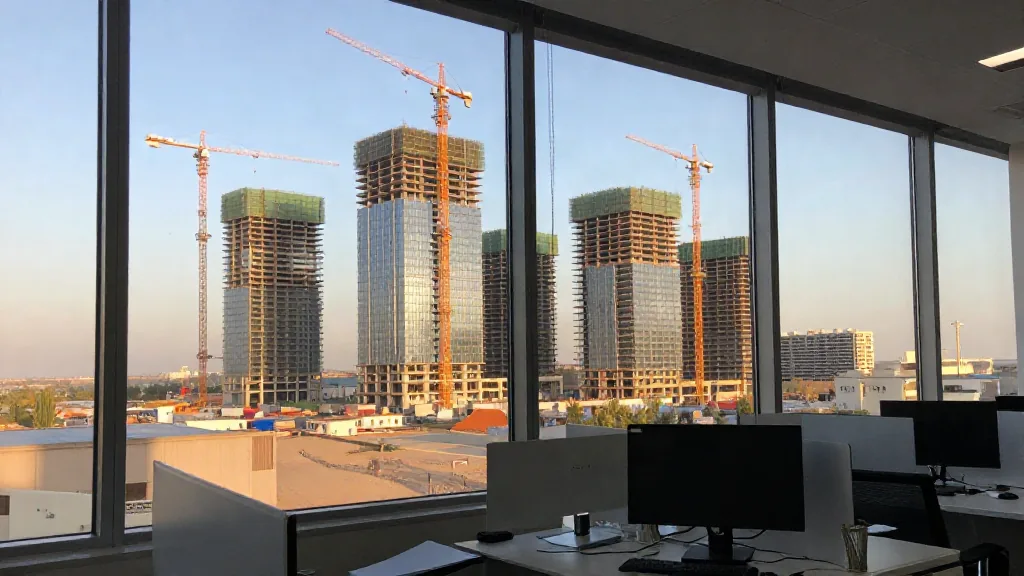
The total value of real estate transactions rose by almost 22 per cent to Dh27 billion in the first half of 2012 compared to Dh22 billion same period last year, Dubai Land Department data reveals.
Burj Khalifa area (Downtown Dubai and Business Bay) topped the list of most traded areas in value terms, while Al Thanyah Fifth (Jumeirah Lakes Towers) registered the highest number of transactions in the first half of the year.
In Marsa Dubai (Dubai Marina), a total of 1,915 transactions worth Dh3.58 billion were registered. Burj Khalifa reported 1,846 transactions valued at Dh3.6 billion while 2,249 transactions of Dh2.26 billion were done in Jumeirah Lakes Towers.
Total transactions in Palm Jumeirah reached 719 and were valued at Dh3.42 billion. Al Thanyah Fourth (Springs, Meadows, etc) registered 444 transactions worth Dh1.77 billion, while Al Thanyah Third (Greens, Views) saw 567 transactions of Dh875 million.
In 2011, DLD recorded 35,297 transactions worth Dh143 billion – a 20 per cent increase compared to 2010. Mortgages formed 60 per cent of the total transactions, which the DLD said indicates the “recovery of the property financing and the return of healthy activities.”
On Sunday, Asteco, a Dubai-based real estate consultancy, said apartments in Downtown Dubai, Dubai Marina and Palm Jumeirah remained most popular among buyers and witnessed price increases of nine per cent, eight per cent and eight per cent, respectively, in the second quarter 2012.
Prices in Jumeirah Lakes Towers, Greens and Dubai International Financial Centre (DIFC) remained relatively stable, while Jumeirah Beach Residence jumped three per cent.
In the villa category, Arabian Ranches saw price hike of 16 per cent, the Springs (14 pre cent) and Jumeirah Islands (11 per cent).
Villas on the Palm Jumeirah were the most expensive in Dubai at Dh17,200 per square metre, followed by Jumeirah Islands and the Meadows priced at Dh10,750 and Dh10,250, respectively. The lowest prices were in Jumeirah Village at Dh5,400 per square metre, Asteco said.
Dh250 million: Dubai’s costliest property ever advertised for sale, Palm Jumeirah mansion has private cinema, gymnasium, four majlis, indoor and outdoor swimming pools… besides a lot more…
Oxford Business Group has claimed that Dubai real estate crash no longer exists in Dubai. It says, since residential sector have been reporting solid recovery for the past few months, the worst seems to be over now. Regional editor at OBG, Oliver Cornock highlights in an article published in a magazine that decline in Dubai property prices and rents has started to reverse.
During 2002 Dubai welcomed foreign property investors which derived Dubai real estate prices quite high. Dubai offered foreign investors freehold ownerships at many developments across the emirate. Local developers continued launching projects worth billion of dollars which also rallied the prices almost 80 percent in just one and a half year (from 2007 to the mid of 2008). Prices of property fell by more than 60% as a result of financial crises which hit Gulf property market during 2008. Cornock highlighted that though the rate of growth recorded by different agencies is different but they all point towards better recovery of residential real estate in Dubai which makes him feel confident. He also added that investors’ confidence is expected to boost by the through a new law proposed by the government.
The new law has been put forward by Dubai Land Department which is expected to be implemented this month. This law would give additional rights to the owners and enable them to cancel the contract if developer does not provide facilities and amenities according to the agreement. The law also gives some rights to owners in case if the developer does not handover the property within the designated eight months period to them.
A strong growth in population, realistic targets for job creation and excellent existing infrastructure make Dubai real estate a worthwhile investment, according to bullish research from one of America’s biggest investment banks, Bank of America (BofA) Merrill Lynch.
The report, released on Wednesday, cited plans to create 950,000 new jobs in the emirate by 2020 as “ambitious and realistic” and said that it was “feasible that Dubai’s population could more than double over the next ten years”, creating demand for local property.
The research stated that if those jobs were created, and the new population had an average household size of three people, Dubai would see demand for an extra 317,000 units, or 94 percent of current stock.
“Dubai’s active population should grow by 6.1 percent on average over the next eight years, faster than residential supply, which is set to grow by 4.9 percent over the next two years,” the report stated.
The current working population of Dubai is 1.3 million, with the total population at 2.1 million, the bank said.
BofA Merrill Lynch said that the new jobs would be driven by tourism and related sectors, referring to an Oxford Economics report that states that the local aviation sector will support 373,000 jobs by 2020, up 49 percent from the current figure.
“The real estate sector provides a good exposure to growing consumer spending mainly led by tourism and sizeable household consumption,” the report stated, under the headline.
“Dubai should benefit the most, in our view, given a more open and diversified economy, its greater sensitivity to continued population growth and superior past infrastructure investment.”
The bank also predicted that Dubai retail sales growth would rise by 5 percent annually between 2011-20, while retail supply would grow by only 4.4 percent over the same period.
“Dubai hotel guests could reach 6 million by 2020: this suggests a 10-year CAGR of 4.7%,” the research said. “Dubai can attract 1.6 million additional hotel guests by 2020: this suggests a 35 percent increase in Dubai hotels.”
Un comentario que me ha parecido muy interesante:
There are approximately 21,300 properties listed for sale in Dubai, there will now be a rush of people from the first wave of buyers keen to get rid of Dubai property hoping to get a price closer to what they paid for it. If that 21,300 goes up then nobody is taking any notice of the urge to buy contained in the article, if it goes down then people are buying, if it stays the same then the market is relatively static.
Anybody plunging into a property on the Palm yet, on the strength of this article?
Buying to live is a reasonable bet, if you feel secure job wise and are confident in regional geo-political stability enough to wait 10 years to make a capital profit, as well as save your rent.
Otherwise, if its for second home purposes only buy in Spain, it is sooooh cheap and getting cheaper by the day and you get to watch such great football, play great golf, listen to flamenco, ultimate cafe society and I am not nor ever will be an estate agent but recently returned.
Emaar also has plans to expand the area of it’s already largest retail centre in the world by floor space, Dubai Mall, by adding 1 m sq f of space. Emaar also reported that 224 units of its residential project, Panorama at The Views sold out within just 24 hours in May.
Dubai property sector, where prices crashed by up to 60% during the bad times, has finally reported signs of turnaround. As per Knight Frank findings of the last six months, prices have inched up by 5.6%. With a total value of AED 7.1 bn, the number of realty transactions jumped by 15% during Q2.
Que va a decir!
Dubai property can return to 2008 prices – real estate chief – CEO of emirate’s biggest landlord says market is undervalued, Daman CEO predicts property "comeback"…
Noticias relacionadas:
"Qatar’s Barwa Real Estate H1 profit slumps 21.1% – Developer made a net profit of $163m for the opening six months of this year"
"Sentiment in the UAE real estate investment market improved during the second quarter of 2012, boosted by the rising availability of funds, according to the Royal Institution of Chartered Surveyors (RICS)."
"Union Properties posted a $29m profit in the second quarter, as opposed to a huge loss for the same time a year previously. Nakheel, Dubai’s largest developer by assets, saw a 36 percent increase in profits in the first half to $209m."
"Last month, a report from Bank of America Merrill Lynch claimed that Dubai property was a worthwhile investment, due to projected population growth in the emirate and strong existing infrastructure."
A strong growth in population, realistic targets for job creation and excellent existing infrastructure make Dubai real estate a worthwhile investment, according to bullish research from one of America’s biggest investment banks, Bank of America (BofA) Merrill Lynch.
“Dubai’s active population should grow by 6.1 percent on average over the next eight years, faster than residential supply, which is set to grow by 4.9 percent over the next two years,” the report stated.
While prices slumped by nearly 60 percent from their peak, some assets in Dubai’s property market are now undervalued, and it is realistic to expect that prices can regain their 2008 highs, one of the emirate’s most prominent property bosses has claimed.
Dubai house price rises lagged the global average in the second quarter of 2012, according to a new real estate index.
The Knight Frank Global House Price Index rose by 1.1 percent in the three months to June, but prices in Dubai rose by marginally less (1 percent).
The index also showed that prices rose by the same percentage over the past six months and were up two percent over the year-earlier period.
That performance placed Dubai in 23rd position out of 55 real estate markets surveyed around the world.
The real estate market in Dubai is slowly recovering after prices plunged 60 percent from 2008 peaks.
The number of residential real estate transactions increased 15 percent in the second quarter with the total value reaching AED7.1bn.
The average transaction value during the three months ending June 30 was AED1.2m, according to data from Dubai Land Department.
According to the Knight Frank Global House Price Index, prices increased by 0.7 percent in the year to June with Brazil recording the strongest annual growth (18.4 percent) and Austria the strongest quarterly growth (8.5 percent).
Prices in 25 of the 55 countries monitored are now rising at a faster rate than they were a year ago, Knight Frank added.
European countries now occupy nine of the bottom 10 rankings in terms of annual price growth amid the continuing euro zone crisis, the index showed.
China, which alongside the US has the largest bearing on the world’s housing markets and has largely propped up the index since early 2009, is now providing mixed messages, Knight Frank said.
Although prices there are down 7.1 percent in annual terms they fell by just 0.1 percent in the last quarter.
Having seen prices fall by 34.7 percent peak-to-trough, the US housing market is gaining traction and prices are finally rising. Mortgage demand is up, new construction levels are improving and foreclosures are at their lowest level since Q4 2007, Knight Frank added.
"Despite the index’s 1.1 percent growth this quarter, there is likely to be little stimulus for the world’s housing markets in the near future," its Q2 report said.
Rental costs for apartments and villas in Dubai increased by an average of 2 percent and 3 percent respectively in the 3Q2012, compared to the previous quarter, according to Asteco’s latest market report.
The real estate services firm’s quarterly market analysis showed that two-bedroom apartments in the upmarket Sheikh Zayed Road and Downtown Dubai districts witnessed the biggest increases in annual rents, rising 6 percent to AED105,000 (US$28,600) and 4 percent to AED120,000, respectively.
Rental costs for a three-bedroom villa on Nakheel’s Palm Jumeirah were up on average 7 percent to AED325,000. The Spring and Arabian Ranches, another two well-heeled areas, saw the average price for similar properties up 5 percent to AED125,000 and 4 percent to AED145,000 respectively.
“The increasing rental rates are due to the lack of a certain unit type, whether that is larger three-bedroom units in towers or smaller townhouses in villa communities,” said Elaine Jones, CEO, Asteco.
“The reason for the shortage of a particular unit type is either the low number of units initially available or high occupancy rates within certain developments.”
Sale prices in the emirate remained stable in the third quarter, partly due to a lack of enquiries during the Islamic holy month of Ramadan, which held back any significant pickup in sales activity.
The only residential district to witness a notable rise in apartment sales prices was The Greens, where they were up on average 3 percent to AED8,800 per sqm. Dubai’s priciest areas for apartments, DIFC and Palm Jumeirah, both commanded about AED14,000 per sqm.
Apartments on the Palm continued to be the most expensive on average in Dubai with asking prices of AED17,200 per sqm.
Sales prices and rental rates remained unchanged, Asteco said.
“One trend we have noticed is that tenants and or buyers of office space are demanding significant discounts and incentives before committing. This is likely to continue as more supply enters the market,” said Jones.