Rare Earth Elements o metales excasos
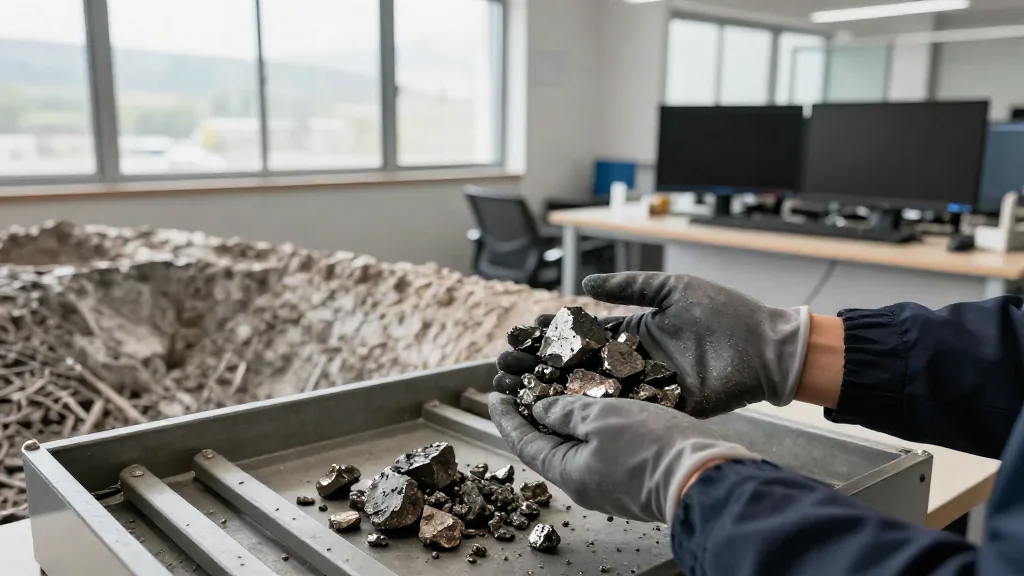
Un tema que ultimamente esta muy de moda:
Sí leí un artículo muy interesante en Ferrer Invest sobre el tema, pero luego pase a buscar los gráficos de las compañías y casi todos eran bajistas asi que creo que aún no es el momento de apostar por estas compañías.. Seguro que tendrán su momento y probablemente se genere alguna burbuja en torno a ellas, ya que son muy atractivas…
Si, yo tambien voy a estar pendiente del tema, estaria bien hacer una lista de empresas relacionadas y hacer un seguimiento, lo mismo con el grafeno!
Empresas de Rare Earth Elements:
Alkane Resources
Arafura resources
Avalon rare metals
Canadian Intl Minerals
China Rare earth
Commerce resources
Frontier rare earth
Gold canyon resources
Great western minerals
Hudson Resources
Matamec Exploration
Neo Material
Quantum Rare Earth
Rare Element Resources
Tantalus Rare Earth
Ucore Uranium
Fuente: Blog Xavier Brun
Perfecto, los ire mirando…
Rare earth and strategic metalsare naturally-occurring elements that are found in extremely small quantities. Despite the limited supply, their use can be found in a wide range of products, including plasma televisions, wind turbines, music players, iPads and even hybrid cars. Currently, there are roughly 17 rare earth metals, the most popular being cerium and neodynium oxide, lanthanum and scandium. China and the resource-rich Australia have come to dominate this niche market over the years, accounting for a large portion of supply in the rare earth metals industry.
At the industry’s peak, prices of certain rare earths metals surged more than tenfold in less than a year, encouraging many mining companies to allocate significant amounts of resources to fund small sideline operations. In 2010, the world’s largest producer, China, made it even more appealing for miners to dive into the world of rare earth metals after the country began sharply restricting exports on the commodity. Sure enough, mining companies around the globe began to ramp up production, leading to what many believe is the China-induced supply gut we see today. Meanwhile, demand for these rare commodities have been on the decline as of late, with manufacturers finding more and more alternatives to rare earth components.
And because of the complex processing methods and costly expenditures inherent in this niche industry, the recent free fall of rare earth prices has forced many companies to shut down their rare earth ventures. Instead, many are now choosing to focus on more popular metals, namely gold, silver and copper.
Market Vectors Rare Earth Strat Met (NYSEARCA:REMX): This ETF is currently the only exchange-traded product on the market that provides targeted exposure to the rare earths space. Given the commodity’s current market environment, it is perhaps not surprising to see small and mid-cap stocks from Australia, China and the United States dominate REMX’s portfolio.
Molycorp Inc (NYSE:MCP): Headquartered in Greenwood Village, Colorado, this industry heavyweight and newcomer is one of the biggest names in the rare earth oxide industry. It is important to note, however, that the company is currently under an SEC investigations relating to its disclosures.
Iluka Resources Limited (ASX:ILU): This Australian company focuses on the exploration and development of zicron, titanium dioxide products and ilmenite. Since being founded in 1954, Iluka has grown to be a $3.38 billion company, and its current EPS comes in around 1.60.
Hunan Nonferrous Metals Corporation Ltd. (HKG:2626): Despite opening its doors only seven years ago, this Chinese behemoth has blossomed into a $8.88 billion company, with its shares exchanging hands over 3.5 million times a day. For those looking for a more diversified play on the sector, Hunan may be a better option as the company produces a wide array of metals including zinc, antimony, lead, silver, indium, tantalum and niobium.
Como dice Daniel Lacalle:
What is striking about the European Union that is so fond of forced planning, intervention and patronizing the world on what to do is how it benefits on the industrial level from exporting to "polluting" countries like China or India and how it ignores the "externalization of pollution" that de-industrialization creates (as those same European industries move to other countries with less stringent environmental requirements). The pollution created by the thousands of tons of rare earths required for our high-tech and green lifestyle results in millions of tons of water polluted in China from the extraction process. The EU doesn’t care, but still patronises about CO2 and environmental policies.