Burbuja en Canadá
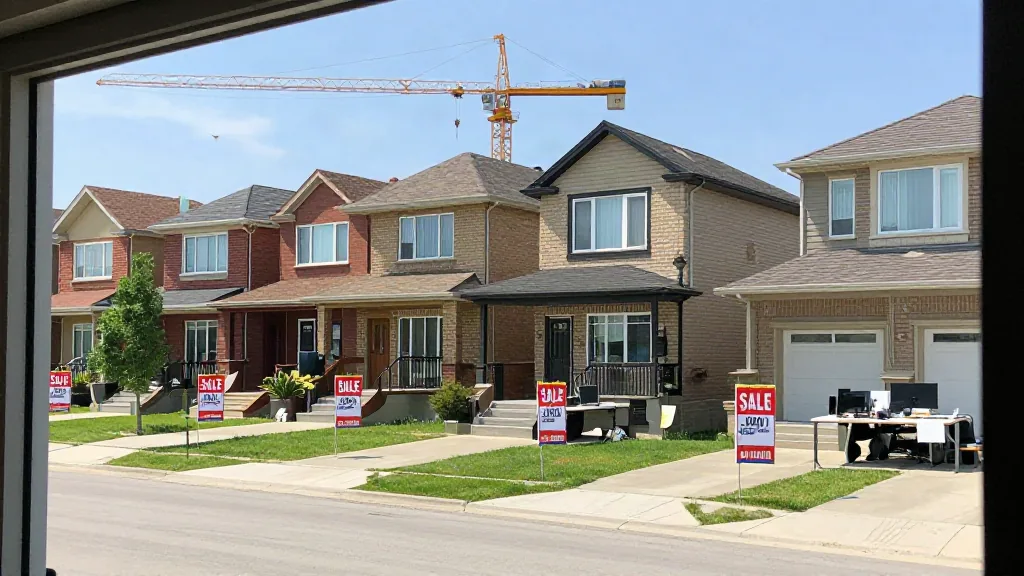
Canada has been one of the few major economies worldwide to avoid a housing crash in the years since 2008. But some commentators call the strong housing market that has supported Canada’s enduring prosperity a bubble, and there are even signs that it may have already begun to burst.
In Vancouver, sales have fallen and listings have risen. In August, the number of sales in the Greater Vancouver area fell by 21.4% from the previous month. July saw a 11.2% drop from June, June a 17.2% drop from May. In Vancouver the average house price is now 12% down from a year ago. Additionally the rise in prices year-on-year was the smallest since 2009, and January 2013 saw the fifth month-on-month fall in prices nationwide.
To sum up the view these figures seem to form, David Madani, an economist with Capital Economics, offers: ‘the Vancouver market has cracked.’
However, there is another view. Canada’s housing market has supported its commodity prices, which in turn have supported the economy as a whole. But some observers now forecast some role reversal: the Canadian economy will keep the housing market afloat.
George Athanassakos is a Professor of Finance, and his opinion, published in the Globe and Mail on January 3 this year, is that there is a ‘perfect storm coming in the housing market,’ in which condominium prices could fall in Vancouver and Torinto by as much as 25%.
First, Prof. Athanassakos points to housing investment as a percentage of GDP, arguing that it is high compared to its 50-year average. It’s now at 7% of GDP, and the average is 5.8%. However, despite the apparent liklihood of an imminent slump, Prof. Athanassakos says ‘the key factor is demographics,’ and that the proportion of people in their prime working years is the important factor. Prof. Athanassakos says that demographic changes which cause a larger working population accompany price rises historically, and goes on to suggest that as Canada’s prime working population falls the housing market should experience radical readjustment.